Why Do Humans Create?
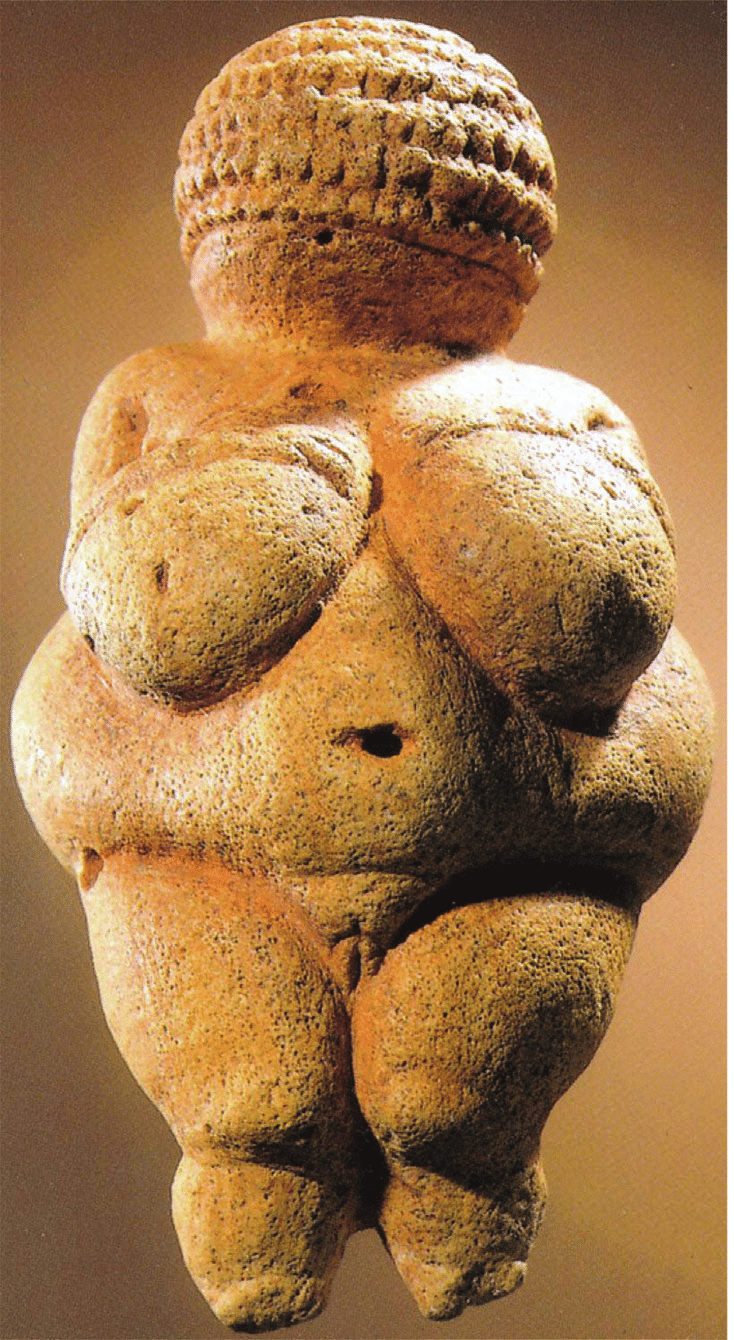
Venus of Willendorf
Humans create because it’s woven into who we are—biologically, emotionally, and culturally.
At a basic level, creation is how we make sense of the world. When we paint, write, build, or design, we’re translating experience into form. It’s a way of saying “I was here, this mattered.”
Emotionally, creation helps us process feelings that don’t fit neatly into words—joy, grief, wonder, confusion. Making something external gives shape to what’s internal, which can be grounding, healing, or exhilarating.
Socially and culturally, humans create to connect. Art, stories, tools, rituals, and symbols allow us to communicate across time and space. Creation builds identity—personal and collective—and preserves memory.
There’s also a biological drive: our brains are wired for problem-solving, pattern-making, and play. Creating releases dopamine, reinforces learning, and gives us a sense of agency. It’s not just expression; it’s survival and adaptation.
On a deeper level, many people create to reach beyond themselves—to touch beauty, meaning, legacy, or the sacred. Creation becomes a conversation with something larger than the self.
In short, humans create because it is how we:
understand
feel
connect
survive
and seek meaning
For artists especially, creating isn’t optional—it’s a form of breathing.
